
Osage County Criminal Records
Criminal court records in Osage County begin when a criminal case is filed in District Court or, for city ordinance matters, in a municipal court. The Osage County District Court is part of the Kansas 4th Judicial District with Anderson, Coffey, and Franklin counties. It is the main county-level trial court for felony cases, many misdemeanors, probation or diversion review matters, and criminal traffic matters that are filed as state cases. The Clerk of the District Court keeps the case record after filing.
The local criminal file is broader than a charge list. It can include the complaint or information, warrant or summons, bond orders, appearance records, appointed counsel entries, motions, plea documents, diversion papers, journal entries, sentencing orders, probation conditions, restitution, costs, and later review or revocation events. A person focused only on the formal allegations may need the Osage County arrest records and court charges page, while the criminal court record is the full case history and outcome.
The Osage County Attorney department page states that the office prosecutes Kansas state and county law violations. That county role is central to criminal case files because the prosecutor decides what charges to file, responds to motions, handles diversion terms, and appears in criminal, traffic, juvenile, CINC, involuntary commitment, and county code matters.
That county office connection helps explain why prosecutor filings and court docket entries often appear together in a criminal case record.
Search Osage County Criminal Records
The main online starting point is Kansas Case Search, the statewide public portal for district court case information and public documents that may be available electronically. Criminal cases may be found by case number or name when the case is public and in the state system. If the public portal does not show the document needed, the Kansas Judicial Branch also directs users to courthouse public terminals and the court-record request process.
- Open Kansas Case Search and search by defendant name or known criminal case number.
- Use Osage County, District Court, and criminal case-type clues when the portal offers filters or case details.
- Open the case detail to read the docket, party roles, hearings, charge entries, and disposition fields.
- Check whether a document is public online or whether only the docket entry is visible.
- Request certified copies or non-online public records through the court request channel or the Clerk of the District Court.
The Clerk of the District Court contact route is local: Osage County Courthouse, 717 Topeka Avenue, PO Box 549, Lyndon, Kansas 66451, phone 785-828-4514, fax 785-828-4704. The local clerk hours listed in the research are Monday through Friday, 8:00 a.m. to noon and 1:00 p.m. to 4:00 p.m. Kansas Judicial Branch request guidance says court-record requests are acted on by the end of the third business day after receipt, though copy and preparation fees can apply.
The Osage County Attorney criminal page confirms that criminal, traffic, juvenile, CINC, involuntary commitment, and county code prosecutions are handled through that office.
For court users, that means the filed criminal record and the prosecutor's role should be read together, especially when a case is diverted, amended, or dismissed.
Osage County Criminal Case Flow
A criminal case moves through a set of court events. Osage docket examples include first appearance, bond appearance, preliminary hearing, status conference, review hearing, diversion status, diversion revocation, bench trial, and appear-order events. The exact path depends on whether the matter is a felony, misdemeanor, traffic crime, diversion case, or violation case. Not every case has a trial. Many cases end by plea, dismissal, diversion completion, revocation, or sentencing order.
Case flow: Charges Filed › Arraignment › Pretrial › Plea or Trial › Disposition › Sentencing
| Stage | What the Court Record May Show |
|---|---|
| Charges filed | Complaint or information, case number, State of Kansas caption, prosecutor, defendant, offense title, and statute reference. |
| First appearance or arraignment | Initial court setting, rights advisement, plea entry when applicable, counsel status, bond, and next hearing. |
| Pretrial and motions | Status conferences, discovery disputes, continuance motions, suppression motions, bond review, and preliminary hearing events. |
| Plea, trial, or diversion | Plea paperwork, trial setting, verdict, diversion agreement, diversion status review, or diversion revocation filing. |
| Disposition and sentence | Final charge outcome, probation, jail or prison sentence, costs, restitution, fines, and later review or compliance entries. |
The Osage County Diversions page adds a local caution: paying the District Court before diversion is filed can void the diversion and cause the matter to go down as a guilty charge.
Diversion status entries should be read carefully because a successful diversion and a revoked diversion have very different effects in the criminal court record.
Osage County Criminal Fields
Osage County criminal records use Kansas-style case data. Modern case numbers may begin with OS, a filing year, a case type such as CR, and a sequence number. The record can also show the court, judge, prosecutor, defense attorney or pro se status, case status, financial obligations, and document availability. Docket entries are a chronology, so they must be read in date order rather than as a single result page.
| Field | What It Shows |
|---|---|
| Case number | Osage County identifier, often using OS, year, CR or related case type, and a sequence number. |
| Caption | Usually State of Kansas versus the defendant in criminal prosecutions. |
| Charges | Offense name, count, statute, severity, amendment history, or dismissal status when shown. |
| Party and attorney fields | Defendant, prosecutor, defense attorney, appointed counsel, or pro se designation. |
| Events | First appearance, preliminary hearing, status conference, diversion status, review hearing, bench trial, or appear-order entry. |
| Disposition | Current or final outcome for the case or count, such as guilty plea, conviction, dismissal, diversion, or acquittal. |
| Sentence and financials | Probation, jail or prison term, costs, fines, restitution, bond, and payment history where public and available. |
| Documents | Pleadings, orders, journal entries, warrants, returns, and judgments when public and available through the portal or clerk. |
Some public results show a docket entry but not the underlying document. In that situation, a courthouse terminal or court-record request may be the better path. A certified copy is needed when the record must be used for a formal legal purpose.
Osage County Charges vs Convictions
A charge is an allegation filed in court. A conviction is a final finding or plea of guilt. Osage County criminal court records may include charges that were amended, reduced, dismissed, diverted, or tried. A case may contain more than one count, and each count can end in a different way. That is why reading only the first charge line can give a wrong picture of the case outcome.
| Point | Charge | Conviction |
|---|---|---|
| Meaning | An offense alleged by the State of Kansas or a city prosecutor. | A guilt result by plea, verdict, or accepted finding. |
| Record timing | Appears early after filing and may change later. | Appears after plea, trial, or final disposition on that count. |
| Possible result | Can be pending, amended, dismissed, diverted, or carried forward. | Can lead to sentence, probation, fine, restitution, or post-judgment supervision. |
| Best source | Charging document and charge list. | Disposition, journal entry, sentencing order, and payment or probation entries. |
For statewide name-based criminal history checks, Kansas provides the KBI criminal history record search. That source is separate from a local court case lookup and has its own access limits, operating hours, and fee rules.
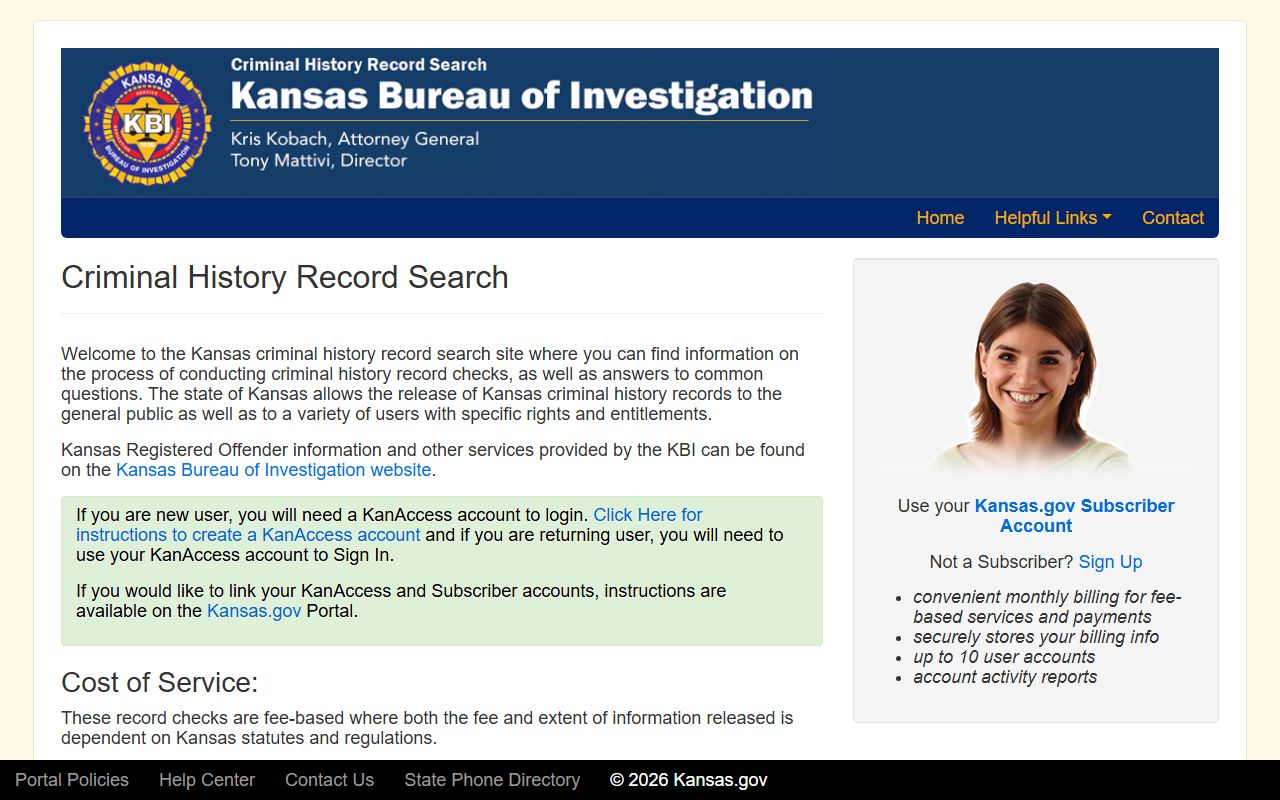
KBI results may help with statewide background context, but the District Court file remains the better source for docket events and case documents.
Read Osage Criminal Sentences
Disposition means the current or final outcome of a case or charge. In Osage County criminal court records, a disposition may be tied to a plea, dismissal, trial result, diversion agreement, or sentencing event. A sentence can include jail time, prison, probation, postrelease conditions, restitution, costs, fines, treatment, community service, or review hearings. The record may use journal entries to memorialize the court's ruling.
A diversion entry is not the same as a conviction. The Osage County Diversions page shows that diversion has special payment and filing rules, and it warns users to coordinate with the District Court and County Attorney portions correctly. If diversion is revoked, the criminal court record may later show a guilty result or further proceedings. If diversion is completed, the case history should be read with that agreement in mind.
The KBI record check instructions state that name-based public record checks are available for a fee.
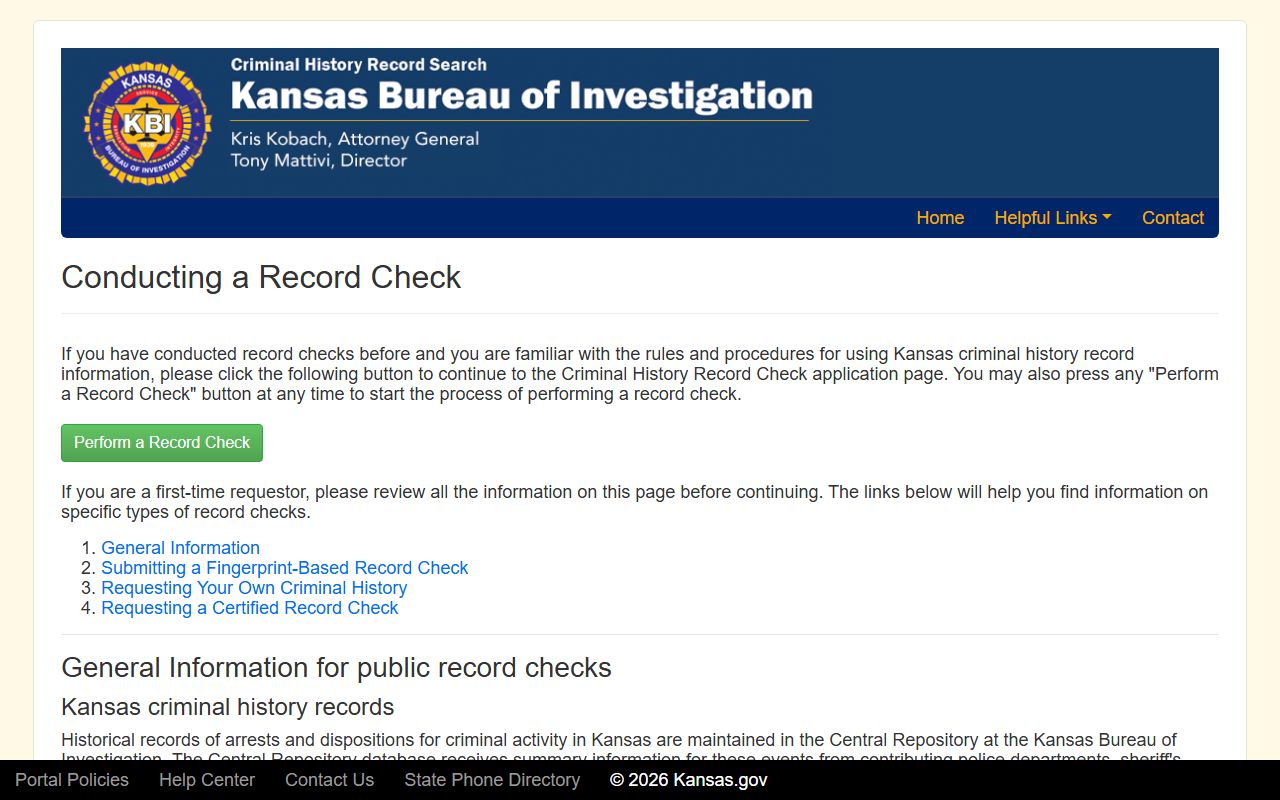
Local case files and statewide history checks can differ in scope, so matching the case number, name, date of birth, and disposition is important.
Osage County Expunged Records
Kansas law and court rules can limit access to criminal records even when the case once appeared in public search. A sealed record is hidden from ordinary public access by rule or court order. An expunged record is restricted after a statutory process, usually by petition in the court connected to the conviction, arrest, or diversion. Juvenile records and some sensitive documents follow separate rules.
| Point | Sealed | Expunged |
|---|---|---|
| Public view | Not available through ordinary public portal or terminal access. | Not treated as ordinary public access material after the order. |
| How it happens | By statute, rule, privacy protection, or court order. | By petition and order under eligibility rules such as K.S.A. 21-6614. |
| Access after order | May remain available to the court or authorized users. | May still be available for certain law enforcement, licensing, or statutory purposes. |
| Common limits | Juvenile, victim-sensitive, medical, financial, and sealed investigative material. | Waiting periods, offense exclusions, fees, notice to prosecutor, and judge review may apply. |
The K.S.A. 21-6614 expungement statute provides the Kansas framework for eligible convictions, arrest records, and diversion records.
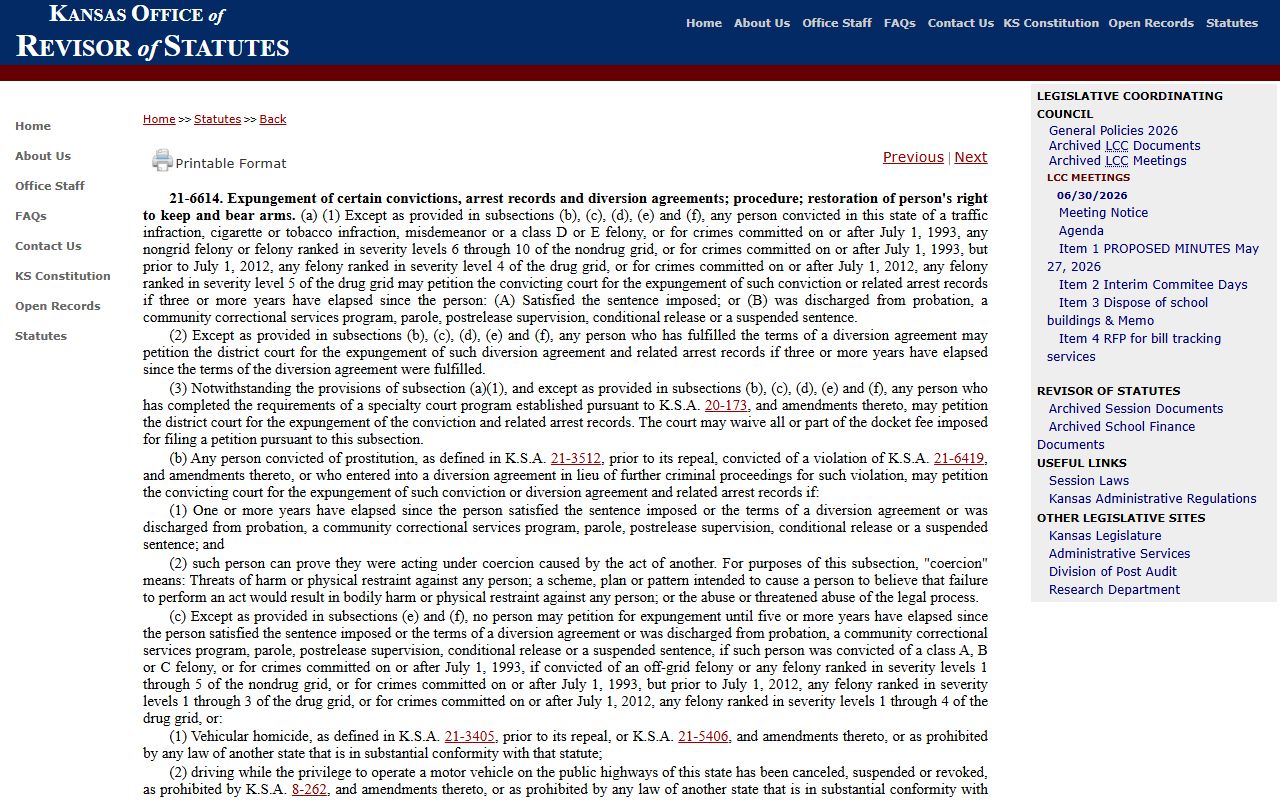
Eligibility is fact-specific, so a public search result should not be used to guess whether an Osage County criminal record can be expunged.
Public Access to Osage Criminal Records
Kansas public access starts from the rule that public records are open unless a statute, court rule, or court order says otherwise. For criminal court records, Kansas Supreme Court Rule 22 controls public electronic access to district and appellate case records, while the Kansas Open Records Act shapes requests to public agencies. Public access does not mean every paper in a criminal file is online. Some documents are only available by request, at a courthouse terminal, or not at all.
Key access rules:
K.S.A. 45-216 states Kansas policy that public records are open unless law provides otherwise.
K.S.A. 45-218 covers inspection requests, agency response, refusal, and fees.
K.S.A. 45-221 lists records agencies are not required to disclose and supports separation of open and closed material.
The broader Osage County court records page covers noncriminal District Court files, courthouse terminals, public case documents, and copy requests for other case types.
Note: Public docket access can show a case exists while withholding specific documents, identifiers, juvenile information, or sealed entries.
Restricted Osage Criminal Records
Restricted criminal court records include juvenile offender files, sealed cases, expunged records, adoption-related material, mental health or care and treatment details, victim-sensitive information, and personal identifiers such as Social Security numbers, driver license numbers, financial account numbers, and minor names. Sheriff records also have their own release limits. The sheriff's records policy states that no juvenile records are released and that Kansas arrest reports are not public record, although the Register of Persons Charged or arrest sheet is public information except juvenile records.
Background checks have a separate legal use issue. A court lookup may help a person understand public case history, but it is not the same as an FCRA-compliant consumer report for employment, housing, credit, insurance, or tenant screening. Formal screening should use legally compliant sources and authorization rules.